Showing posts with label Lake District. Show all posts

Tuesday, 24 February 2026

The Salvage Archive: Rediscovering Derwentwater through 35mm Slides from October 1978

 There is a unique magic found in the click of a slide projector and the warm, slightly dusty scent of a halogen bulb heating up. For collectors of vintage photography, these small, plastic-framed windows are more than just images; they are tactile time machines.

I have spent years hunting through antique fairs, estate sales, and online auctions to build my collection of found 35mm slides. There is a profound sense of responsibility that comes with being the custodian of someone else's memories. Recently, I unearthed a particularly stunning set that transported me back to the English Lake District during a very specific moment in time: October 1978.

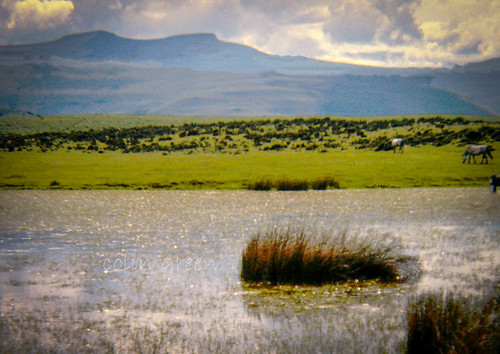
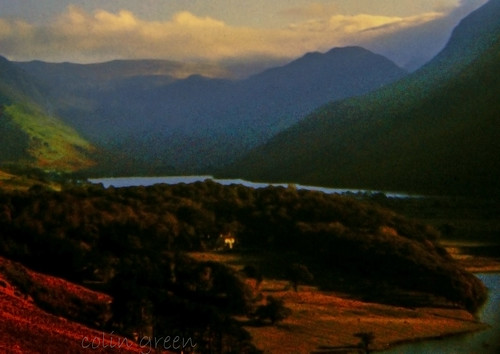
These four slides capture the moody, ethereal beauty of Derwentwater—the "Queen of the Lakes"—just as the 1970s were drawing to a close.


The Haunting Hues of a Cumbrian Autumn

The first thing that strikes you about these 1978 transparencies is the colour palette. Modern digital photography often feels "too sharp," lacking the organic grain and soft colour shifts of 35mm film. In these slides, the fells surrounding Keswick aren’t just green; they are a rich tapestry of russet, gold, and deep charcoal.

In the primary landscape shots, the iconic silhouette of Catbells and the surrounding Northwestern Fells dominate the horizon. The peaks are bathed in that soft, diffused October light that Lake District enthusiasts know so well. It’s a light that feels heavy with the coming winter, yet warm enough to set the autumn bracken ablaze with orange hues.

A Glimpse of the Keswick Launches

One of the most evocative images in this set shows the wooden jetties and the distinctive profile of a Keswick Launch. In 1978, these boats were already a historic staple of the lake, having ferried tourists since the Victorian era.

Looking at the slide, you can almost hear the gentle lap of the water against the timber piles and the distant call of a crow from the Friar’s Crag woods. The composition—framed by overhanging branches—is a classic example of 1970s amateur photography: thoughtful, unhurried, and deeply appreciative of the natural frame.


Why "Found" Photography Matters

You might wonder why a collector would seek out the holiday snaps of a stranger from nearly 50 years ago. The answer lies in the authenticity of the gaze.

In 1978, taking a photograph was an intentional act. You only had 24 or 36 exposures on a roll. You didn’t see the result until weeks later when the yellow Kodak box arrived in the mail. This meant that the photographer chose this specific October day at Derwentwater because something about the light, the stillness of the water, or the shape of the mountains felt worth "saving."

These slides capture a Lake District that feels remarkably similar to the one we see today, yet subtly different. The shoreline in the fourth slide reveals a few vintage cars parked on the grass—automotive silhouettes that firmly anchor the scene in the late 70s. It serves as a reminder that while the mountains are eternal, our presence among them is fleeting.


The Technical Charm of the 35mm Slide

From a technical standpoint, these slides have held up beautifully. The "sold 27-12" notation on the frames suggests these were perhaps part of a larger curated lot, sold during a winter long ago.

  • Grain and Texture: The film grain adds a layer of "atmosphere" that digital filters try (and often fail) to replicate.

  • Dynamic Range: Notice the way the shadows in the foreground trees remain deep and mysterious, while the sky retains a soft, milky texture.

  • Historical Record: Beyond the aesthetics, these slides serve as a geographical record of lake levels and woodland density in the late 20th century.


Preserving the Legacy of Derwentwater

Owning these slides feels like holding a secret. In October 1978, the person behind the lens stood on the shores of Derwentwater, perhaps wearing a heavy wool sweater and bell-bottom corduroys, marvelling at the same view that inspires us today.

By digitizing and sharing these images, we ensure that their "decisive moment" isn't lost to the back of a cupboard or a dusty attic. We are keeping the spirit of 1970s Cumbria alive, one slide at a time.

Whether you are a lover of the Lake District, a vintage film enthusiast, or someone who simply enjoys the nostalgia of a bygone era, these glimpses of Derwentwater remind us of the quiet beauty of the English landscape. They encourage us to slow down, look through the viewfinder, and appreciate the stillness of an autumn afternoon.

Please take a moment to share this post, follow me on social media, and explore my work on Clickasnap and Photo4Me using the links below. Your Support Means a lot!


Saturday, 4 July 2020

The Salvage Archive: Journey Back to 70's: 35mm Slides

As a passionate collector of 35mm slides, I've spent years acquiring a fascinating array of photographic history. Now, I'm embarking on an exciting journey to digitize this collection, preserving these moments for years to come. What makes this particular endeavour even more special is that with each purchase, the copyright was assigned to me, allowing me to share these hidden gems.

Sadly, one of the challenges with these collections is the often-limited information available. Many slides come with little more than a place name and sometimes a date, leaving much to the imagination. However, the mystery only adds to the allure, inviting us to piece together the stories behind the images.

Among them is this stunning shot, captured in the breath taking Brecon Beacons, Wales, in July 1974. Just imagine the scene: the rugged peaks, the sweeping valleys, all bathed in the summer light of nearly fifty years ago. While we might not know the exact story of the person behind the camera, the image itself speaks volumes about the enduring beauty of this Welsh landscape.

The Brecon Beacons 1974

Take a step back in time with these two captivating images from July 1973, both captured at the stunning Farne Islands, Northumberland, England.

These snapshots perfectly encapsulate the bustling atmosphere as visitors gathered, either preparing to embark on a boat trip away from the islands or perhaps heading towards them – the exact destination remains a delightful mystery!

The Farne Islands, a cluster of islands off the Northumberland coast, have long been a haven for wildlife and a popular destination for nature lovers. It's fascinating to imagine the excitement and anticipation of those preparing for their island adventure over 50 years ago.

What do you think they were setting off to see? The famous puffins, seals, or perhaps the historic lighthouse?

Farne Islands Boat Trip 1973

Boat Trip Departing at Farne Islands 1973

Sometimes, a single image can transport you back in time, offering a window into how places once were. We recently came across a fascinating photograph that does just that, capturing the serene beauty of the Lake District almost 50 years ago.

The fourth image in our collection, dated October 1978, presents a breath taking aerial view of Buttermere and Crummock Water reservoirs. From this elevated perspective, you can truly appreciate the dramatic landscape of the Lake District, with the two bodies of water nestled amidst the fells.

It's incredible to see how much, or how little, some of these iconic natural spaces have changed over the decades. While the surrounding infrastructure and visitor numbers may have evolved, the core majesty of Buttermere and Crummock Water, as seen in this 1978 shot, remains timeless.

This photograph serves as a wonderful reminder of the enduring appeal of the Lake District and the power of historical images to connect us with the past.

Buttermere & Crommack Oct 1978

Today, we stumbled upon a real gem in the archives – a photograph simply titled "Sussex Farm Dog." The image itself is striking, capturing a moment frozen in time from 1977.

But beyond that date and its evocative title, there's a beautiful mystery. We have no other information about this particular picture. Who was this dog? What was their name? What kind of life did they lead on that Sussex farm?

Looking at the photo, you can almost feel the sun on your face and smell the earth. Was this dog a working animal, diligently helping with the daily chores, or a beloved family pet, a loyal companion to a farmer or their children? Perhaps they were both. Their expression seems to hold a quiet dignity, a testament to a life lived close to the land.

This lack of information, rather than being a hindrance, actually sparks the imagination. It allows us to wonder, to create our own stories about this anonymous canine. The "Sussex Farm Dog" becomes more than just a picture; it becomes a symbol of rural life in England during the late 70s, and a reminder of the enduring bond between humans and their animal companions.

Sussex Farm Dog 1977

Clicking any image above should open a link in another window to my Colin Green Photography store on Zazzle.

Please take a moment to share this post, follow me on social media, and explore my work on Photo4Me and Clickasnap using the links below.


The Salvage Archive: Uncovering the Standing Stones of Orkney in 1971

 There is a profound stillness that captured on a 35mm slide , a quietness that feels deeper than any modern digital image can convey. Today...